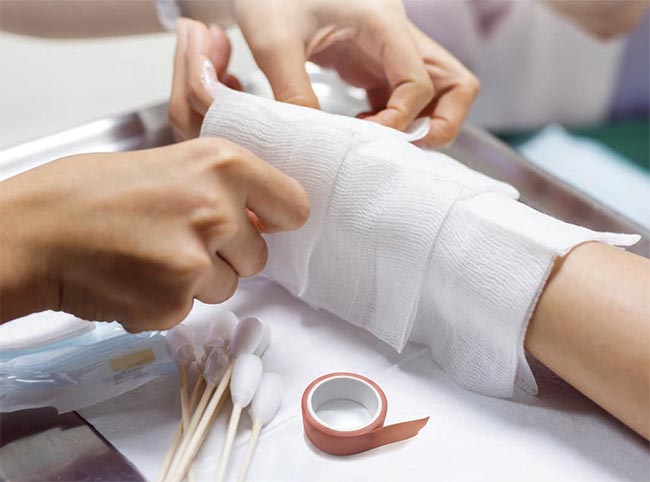
Chronic wounds are injuries that stall in the normal healing cycle and remain open for longer than four weeks. They demand specialist attention because the longer tissue stays exposed, the greater the risk of infection, limb loss, and reduced quality of life.
The Physiology of Normal Healing
Fresh injuries move through four tightly choreographed phases—hemostasis, inflammation, proliferation, and remodeling. Most uncomplicated cuts, surgical incisions, or abrasions close within three weeks.
When Healing Stalls
A wound becomes chronic when one or more of the following interrupts the cycle:
- Inadequate blood supply – common in peripheral arterial disease and diabetes.
- Venous hypertension – pooled blood causes swelling and skin breakdown around the lower leg and ankle.
- Pressure and shear – unrelieved pressure over bony prominences keeps tissue ischemic (e.g., sacral or heel ulcers).
- Infection or biofilm – bacterial colonies form a protective matrix that blunts the immune response.
- Systemic illness – malnutrition, anemia, renal failure, and certain medications delay epithelial migration.
Three Main Groups of Chronic Wounds
| Type | Typical Location | Key Features |
| Diabetic Foot Ulcer (DFU) | Plantar surface, toes | Neuropathy masks pain; callus rim common |
| Venous Leg Ulcer (VLU) | Gaiter area of lower leg | Irregular borders, hemosiderin staining |
| Pressure Injury (Stage 2‑4) | Sacrum, heels, hips | Depth correlates with unrelieved pressure duration |
Why Four Weeks Is the Red Flag
Clinical guidelines mark the 30‑day point because granulation tissue and epithelial migration should be evident by then. Lack of progress signals the need for advanced modalities such as debridement, negative‑pressure therapy, or cellular/tissue‑based products.
Next Steps for Patients
- Seek evaluation by a certified wound specialist.
- Request vascular and metabolic work‑ups to rule out underlying disease.
- Discuss advanced therapies early; insurance often covers them once conservative care fails.