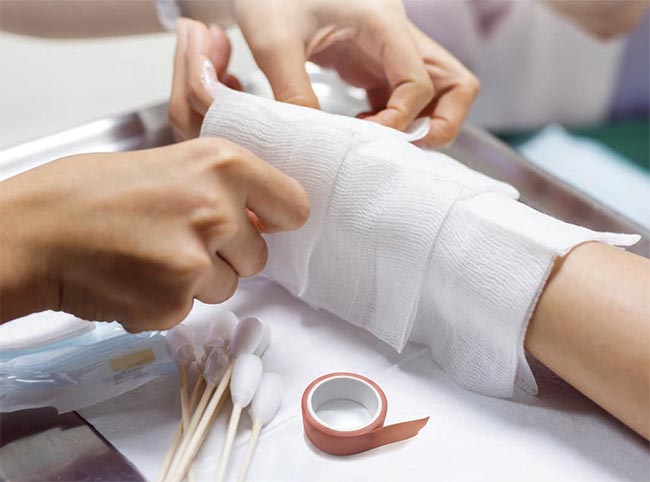
Navigating health insurance is daunting, yet most chronic‑wound patients are surprised to learn that advanced therapies are overwhelmingly covered when medically necessary.
The Big Three Payers
- Medicare (Part B) – Covers outpatient wound care, debridement, negative‑pressure wound therapy (NPWT), and approved cellular/tissue‑based products. A 20 % coinsurance applies unless you carry a supplemental plan.
- Medicaid – Benefits vary by state, but chronic ulcer management and many dressings are included. Prior authorization may be required for biologics.
- Commercial Plans (Aetna, BCBS, Cigna, United, etc.) – Most mirror Medicare’s coverage but demand stronger documentation of medical necessity.
Key Documentation Your Clinician Provides
- 30‑day wound history and measurements
- Photographic evidence of stalled healing
- Vascular studies, if indicated
- Plan of care detailing advanced modalities
Commonly Covered Interventions
| Intervention | CPT/HCPCS | Typical Payer Status |
| Debridement | 11042‑11047 | Covered with diagnosis code for chronic ulcer |
| NPWT (portable VAC) | 97605‑97606 + A6550 | Rental covered after prior auth |
| Biologic Dressings | Q4100‑Q4183 | Covered; limits on units per episode |
Out‑of‑Pocket Relief Programs
- Medicare Advantage supplemental setups may waive coinsurance.
- Manufacturers of biologic dressings often run copay‑assistance cards for commercial plans.
- State Medicaid waiver programs can pick up transportation costs for clinic visits.
How to Advocate for Coverage
- Ask for a copy of your wound measurements at each visit.
- Keep a log of dressing changes and pain scores.
- If a claim is denied, file an appeal within 30 days; attach photos and physician letters.
- Contact your insurer’s case‑management department—many assign a nurse to coordinate chronic‑care benefits.
Final Word
Healing a chronic wound is a marathon, not a sprint, but the financial burden should not slow the process. With comprehensive documentation and a proactive care team, most patients pay little or nothing for today’s advanced wound therapies.